
Industrial Electrician Jobs in New Zealand 2026 – Requirements, Pay & How to Apply
Industrial electricians play an important role in factories, manufacturing plants, processing facilities, warehouses, and other industrial workplaces across New Zealand. Their work focuses on keeping electrical systems, machinery, and production equipment operating safely and reliably. For people with electrical training and practical experience, industrial electrical work can be an interesting career path.
What Does an Industrial Electrician Do?
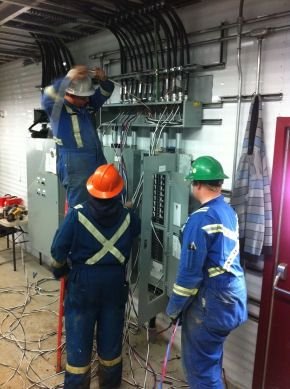
An industrial electrician works with electrical systems used in industrial environments. Their responsibilities can include installing electrical equipment, testing systems, carrying out maintenance, and finding faults when machinery or electrical systems stop working correctly.
Depending on the workplace, they may work with motors, control panels, sensors, wiring, switches, production machinery, and automated systems. They may also read electrical diagrams, use testing equipment, replace faulty components, and help prevent equipment breakdowns through regular maintenance.
Safety is a major part of the job. Industrial electricians need to follow workplace procedures when working around electrical equipment, machinery, moving parts, and industrial environments.
Requirements for Industrial Electrician Jobs
Requirements vary depending on the employer and position. Employers generally look for candidates with relevant electrical training, practical experience, and knowledge of electrical safety.
Electrical work in New Zealand is regulated, so appropriate registration, licensing, or other recognized credentials may be required depending on the work being performed. Experience with industrial machinery, automation, motor controls, or electrical maintenance can be useful for specialized positions.
Overseas electricians should check how their qualifications and experience can be recognized in New Zealand before applying. They should also confirm the registration and work-authorization requirements that apply to their situation.
Pay and Working Hours
Industrial electrician pay can vary depending on experience, qualifications, location, employer, specialization, and employment arrangements. Workers with specialized industrial skills may have different pay structures from entry-level employees.
Working schedules also depend on the workplace. Some factories operate around the clock, so industrial electricians may work shifts, weekends, or overtime. Before accepting a job, applicants should carefully check the employment agreement, including wages, hours, overtime, benefits, and other conditions.
How to Find Industrial Electrician Jobs in New Zealand
Job seekers can search New Zealand employment websites, manufacturing companies, engineering businesses, industrial facilities, electrical contractors, and reputable recruitment agencies.
Useful search terms include “industrial electrician jobs New Zealand,” “industrial electrical jobs NZ,” “maintenance electrician jobs NZ,” and “industrial electrical technician jobs.”
When preparing a CV, clearly list your electrical qualifications, registration or licensing status, industrial experience, equipment you have worked with, and relevant safety training. Specific experience with motors, control systems, machinery, or automation can also be useful to mention when applicable.
Final Thoughts
Industrial electrician jobs can provide opportunities across New Zealand’s manufacturing, engineering, processing, and industrial sectors. The work requires technical knowledge, problem-solving skills, attention to detail, and a strong focus on safety. Before applying, verify the employer and make sure your qualifications, registration, and work eligibility meet the requirements of the position.