
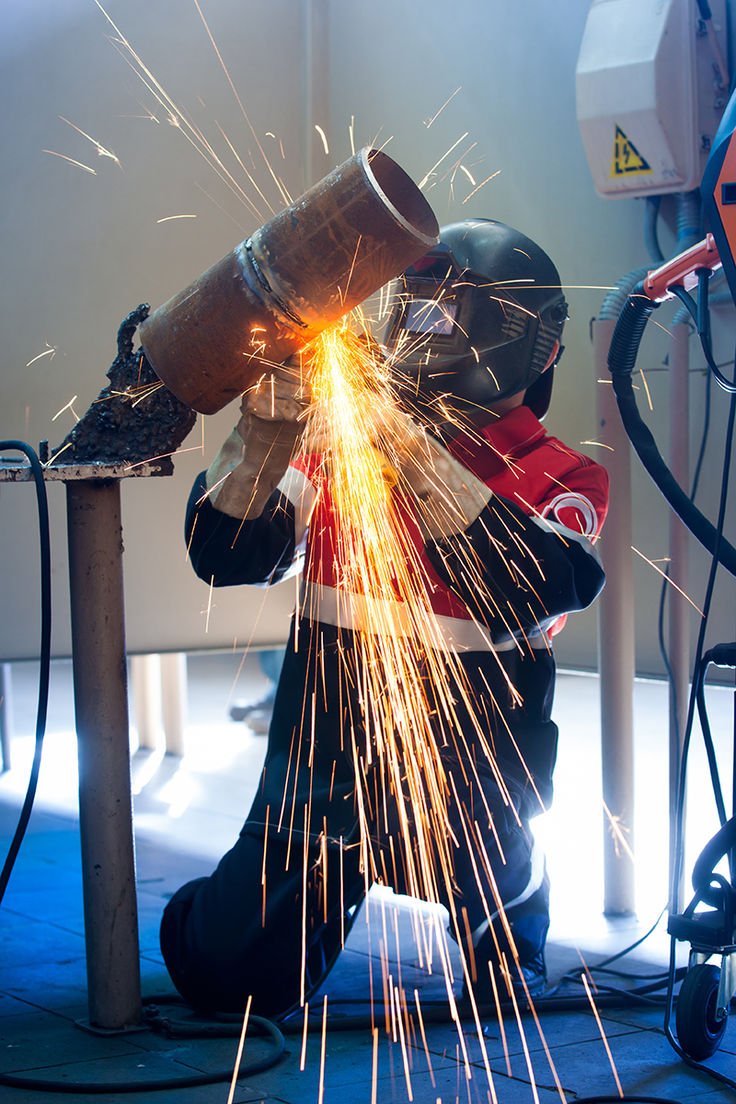
Pipe Welder Jobs 2026 – Requirements, Pay & How to Apply
Pipe Welder Jobs 2026. Pipe welding is a specialized trade used in industries such as construction, manufacturing, energy, plumbing, shipbuilding, and industrial maintenance. Pipe welders work with metal pipes and fittings, creating strong joints that can be used in different types of systems and structures. For people with welding experience and good attention to detail, pipe welding can be a valuable skilled trade.
What Does a Pipe Welder Do?
A pipe welder prepares and joins sections of pipe using appropriate welding equipment and techniques. The work often starts with measuring and positioning pipes before welding them together.
Typical duties may include reading technical drawings, preparing metal surfaces, cutting or fitting pipe sections, setting up welding equipment, and checking completed welds. Depending on the workplace, pipe welders may work with carbon steel, stainless steel, or other metals.
Pipe welders also need to keep their work area organized and follow workplace safety procedures. The job can involve heat, fumes, heavy materials, and welding equipment, so proper protective equipment and safe working practices are important.
Requirements for Pipe Welder Jobs
Requirements vary depending on the employer, industry, and level of the position. Employers generally look for practical welding experience and knowledge of safe welding practices.
Some jobs may require experience with particular welding processes, the ability to read technical drawings, and relevant trade qualifications or certifications. Experience with different pipe sizes, materials, and welding positions can also be useful.
If you are applying for a pipe welding position in another country, check whether your qualifications are recognized there and confirm the legal requirements for working in that country.
Pay and Working Hours
Pipe welder pay can vary considerably depending on experience, qualifications, location, industry, project requirements, and employment arrangements. Specialized industrial or construction projects may have different pay structures from entry-level positions.
Working hours can also vary. Some pipe welders work regular full-time schedules, while construction, industrial, and maintenance projects may involve shifts, overtime, or changing work locations. Always check the employment agreement for wages, working hours, overtime, accommodation, and other conditions.
How to Find Pipe Welder Jobs
Job seekers can search employment websites, construction and engineering company career pages, fabrication businesses, industrial contractors, and reputable recruitment agencies.
Useful search terms include “pipe welder jobs,” “pipe welding jobs,” “industrial pipe welder,” and “pipe welder vacancies.” When preparing your CV, include your welding experience, qualifications, welding processes, materials you have worked with, and any relevant safety training.
Final Thoughts
Pipe welding is a practical skilled trade that can lead to opportunities across several industries. The work requires accuracy, technical ability, patience, and a strong focus on safety. Before accepting a job, carefully verify the employer, employment conditions, required qualifications, and legal work requirements for the country where the position is located.