
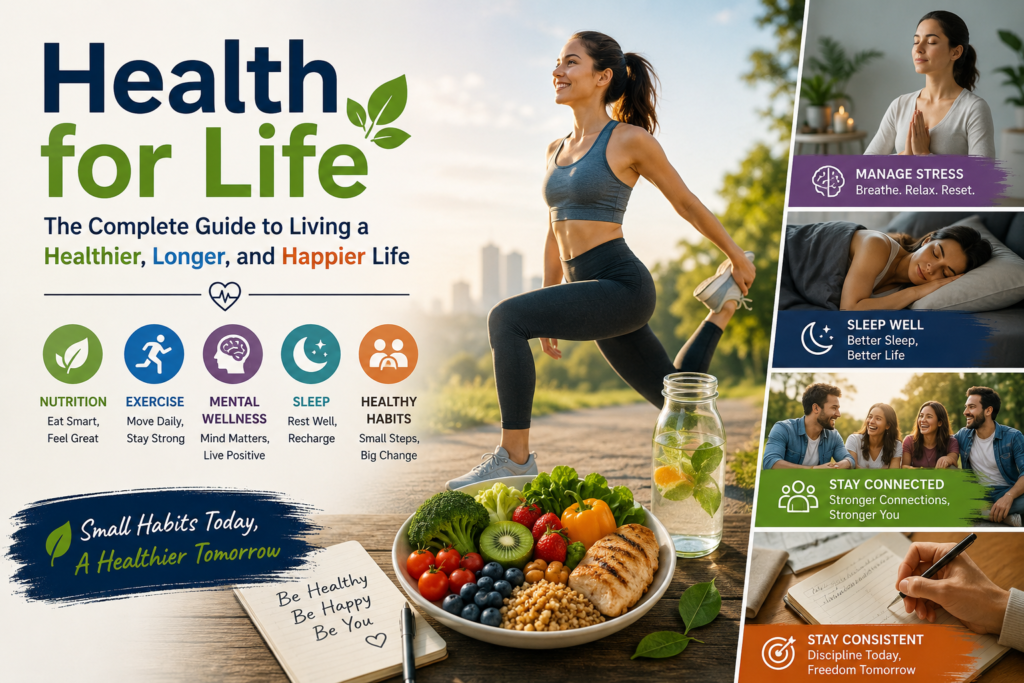
Health for Life: The Complete Guide to Living a Healthier, Longer, and Happier Life
Introduction
Health is one of the most valuable assets a person can have. While people often focus on wealth, career success, or material possessions, none of these things can truly be enjoyed without good health. The phrase “Health for Life” represents more than just a goal—it is a lifelong commitment to physical, mental, and emotional well-being. In today’s fast-paced world, maintaining good health has become increasingly challenging. Sedentary lifestyles, unhealthy eating habits, stress, lack of sleep, and constant digital distractions can negatively impact overall wellness.
The good news is that achieving lifelong health does not require perfection. Small, consistent improvements in daily habits can produce remarkable results over time. Whether you are looking to improve your fitness, strengthen your immune system, manage stress, or simply feel more energetic, adopting a health-focused lifestyle can transform your quality of life. This guide explores the key pillars of lifelong wellness and provides practical strategies for building healthy habits that last.
Why Health Matters More Than Ever: Health for Life
Modern medicine has significantly increased life expectancy, but living longer does not automatically mean living healthier. Millions of people around the world struggle with chronic diseases such as heart disease, diabetes, obesity, and hypertension. Many of these conditions are linked to lifestyle choices and can often be prevented through healthier habits.
Good health influences every aspect of life. It affects your energy levels, productivity, relationships, mood, and overall happiness. When your body functions optimally, you can work more effectively, enjoy recreational activities, and spend meaningful time with loved ones. Poor health, on the other hand, can limit opportunities and reduce quality of life.
Health is not simply the absence of disease. The World Health Organization defines health as a state of complete physical, mental, and social well-being. This broader perspective reminds us that true wellness involves caring for both body and mind.
The Foundation of Lifelong Health: Nutrition
Nutrition is often described as the cornerstone of good health. The food we eat provides the nutrients needed for growth, repair, energy production, and disease prevention. A balanced diet supplies vitamins, minerals, proteins, healthy fats, and carbohydrates that support optimal body function.
Healthy eating does not mean following restrictive diets or eliminating entire food groups. Instead, it involves making informed choices and prioritizing nutrient-dense foods. Fruits, vegetables, whole grains, lean proteins, nuts, seeds, and healthy fats should form the basis of a healthy diet.
One useful approach is to fill half of your plate with vegetables and fruits during meals. These foods are rich in fiber, antioxidants, and essential nutrients that help protect against chronic disease. Limiting processed foods, sugary drinks, and excessive amounts of saturated fat can further improve health outcomes.
Hydration is equally important. Water supports digestion, circulation, temperature regulation, and nutrient transport throughout the body. Drinking adequate water daily helps maintain energy levels and supports overall wellness.
The Importance of Regular Physical Activity: Health for Life
Exercise is one of the most effective ways to improve and maintain health throughout life. Regular physical activity strengthens the heart, improves circulation, supports healthy weight management, and enhances mental well-being.
Many people associate exercise with intense workouts or gym memberships, but movement comes in many forms. Walking, cycling, swimming, dancing, gardening, and recreational sports all contribute to physical fitness. The key is consistency rather than intensity alone.
Experts generally recommend at least 150 minutes of moderate-intensity exercise per week. This can be broken into manageable sessions, such as 30 minutes per day for five days each week. Strength training exercises should also be included to maintain muscle mass, bone density, and metabolic health.
Exercise benefits the brain as much as the body. Physical activity stimulates the release of endorphins, often called “feel-good” hormones, which help reduce stress and improve mood. Regular exercise has also been linked to better cognitive function and a lower risk of depression and anxiety.
Mental Health: An Essential Part of Wellness: Health for Life
Mental health is just as important as physical health. Stress, anxiety, depression, and emotional challenges can affect every aspect of life, including relationships, work performance, and physical well-being.
Taking care of mental health involves recognizing emotions, developing healthy coping strategies, and seeking support when needed. Practices such as mindfulness, meditation, journaling, and deep breathing exercises can help reduce stress and promote emotional balance.
Social connections also play a critical role in mental wellness. Strong relationships provide emotional support, reduce feelings of isolation, and contribute to a sense of belonging. Spending quality time with family and friends can significantly improve overall happiness and resilience.
Professional help should never be viewed as a sign of weakness. Therapists, counselors, and mental health professionals can provide valuable guidance and support during difficult times.
The Role of Quality Sleep: Health for Life
Sleep is often overlooked in discussions about health, yet it is one of the body’s most important recovery mechanisms. During sleep, the body repairs tissues, consolidates memories, regulates hormones, and strengthens the immune system.
Adults generally require seven to nine hours of quality sleep each night. Chronic sleep deprivation can increase the risk of obesity, heart disease, diabetes, and mental health disorders. It can also impair concentration, decision-making, and productivity.
Creating healthy sleep habits can improve sleep quality. Maintaining a consistent bedtime schedule, reducing screen exposure before bed, and creating a comfortable sleep environment can make a significant difference. Limiting caffeine and heavy meals late in the evening may also support better rest.
Think of sleep as the body’s nightly maintenance program. Without it, even the healthiest diet and exercise routine may not deliver their full benefits.
Preventive Healthcare and Regular Checkups: Health for Life
Prevention is often more effective and less costly than treatment. Regular medical checkups allow healthcare providers to identify potential health issues before they become serious problems.
Preventive care includes routine screenings, vaccinations, blood pressure monitoring, cholesterol checks, and cancer screenings based on age and risk factors. Early detection can significantly improve treatment outcomes and quality of life.
Many people avoid medical appointments because they feel healthy, but preventive healthcare is designed for precisely those situations. Regular monitoring helps ensure that hidden health issues are identified and addressed promptly.
Building a relationship with a trusted healthcare provider can also make it easier to discuss concerns, receive personalized advice, and develop a long-term wellness plan.
Building Healthy Habits That Last: Health for Life
One of the biggest challenges in health improvement is maintaining consistency. Many people start ambitious wellness programs only to abandon them after a few weeks. Sustainable change happens through small, manageable steps.
Instead of trying to overhaul your entire lifestyle overnight, focus on one habit at a time. Begin with simple goals, such as drinking more water, taking a daily walk, or adding an extra serving of vegetables to meals. Once a habit becomes routine, gradually introduce additional improvements.
Tracking progress can increase motivation and accountability. Journals, fitness apps, and health trackers can help monitor habits and celebrate achievements. Remember that setbacks are normal and do not mean failure.
Health is a lifelong journey rather than a destination. The goal is progress, not perfection.
Healthy Aging and Longevity: Health for Life
As life expectancy increases, maintaining health during older adulthood becomes increasingly important. Healthy aging involves preserving physical function, cognitive ability, and independence for as long as possible.
Lifestyle choices made during younger years have a significant impact on aging outcomes. Regular exercise, balanced nutrition, mental stimulation, and social engagement can all contribute to healthier aging.
Brain health deserves particular attention. Activities such as reading, learning new skills, solving puzzles, and maintaining social connections can support cognitive function. Physical activity also plays a role in reducing the risk of age-related cognitive decline.
Healthy aging is not about avoiding every wrinkle or gray hair. It is about maintaining vitality, independence, and quality of life throughout the later years.
The Connection Between Health and Happiness: Health for Life
Health and happiness are closely connected. Physical wellness provides the energy needed to pursue goals and enjoy life’s experiences, while emotional well-being contributes to overall life satisfaction.
People who prioritize health often report higher levels of confidence, productivity, and resilience. Healthy habits can create a positive cycle in which improved energy leads to greater activity, stronger relationships, and enhanced mental well-being.
Happiness does not come solely from achieving perfect health. It comes from feeling capable, connected, and engaged in meaningful activities. By investing in health today, individuals create opportunities for greater fulfillment tomorrow.
The journey toward lifelong wellness is unique for each person. There is no single formula that works for everyone. The key is finding sustainable habits that align with your goals, values, and lifestyle.
Conclusion
Health for Life is not a short-term challenge or temporary goal—it is a lifelong commitment to making choices that support physical, mental, and emotional well-being. Good nutrition, regular exercise, quality sleep, stress management, preventive healthcare, and strong social connections all contribute to a healthier and more fulfilling life.
The most important step is simply getting started. Small daily actions, repeated consistently over time, can produce extraordinary results. Whether you are beginning your wellness journey or looking to strengthen existing habits, every positive choice moves you closer to a healthier future.
Remember that health is an investment, not an expense. The effort you make today can lead to greater energy, happiness, resilience, and longevity for years to come. By embracing the principles of Health for Life, you can build a foundation for lasting wellness and enjoy the benefits of a healthier, happier future.
FAQs
1. What does “Health for Life” mean?
Health for Life refers to maintaining physical, mental, and emotional well-being through lifelong healthy habits and lifestyle choices.
2. How can I start living a healthier lifestyle?
Begin with small changes such as eating more nutritious foods, exercising regularly, staying hydrated, and improving sleep quality.
3. Why is mental health important for overall wellness?
Mental health affects emotions, relationships, productivity, and physical health, making it a critical part of overall well-being.
4. How much exercise should adults get each week?
Most health experts recommend at least 150 minutes of moderate-intensity physical activity per week, plus strength training exercises.
5. What is the most important factor for lifelong health?
There is no single factor, but consistent healthy habits involving nutrition, exercise, sleep, and preventive care provide the strongest foundation.