
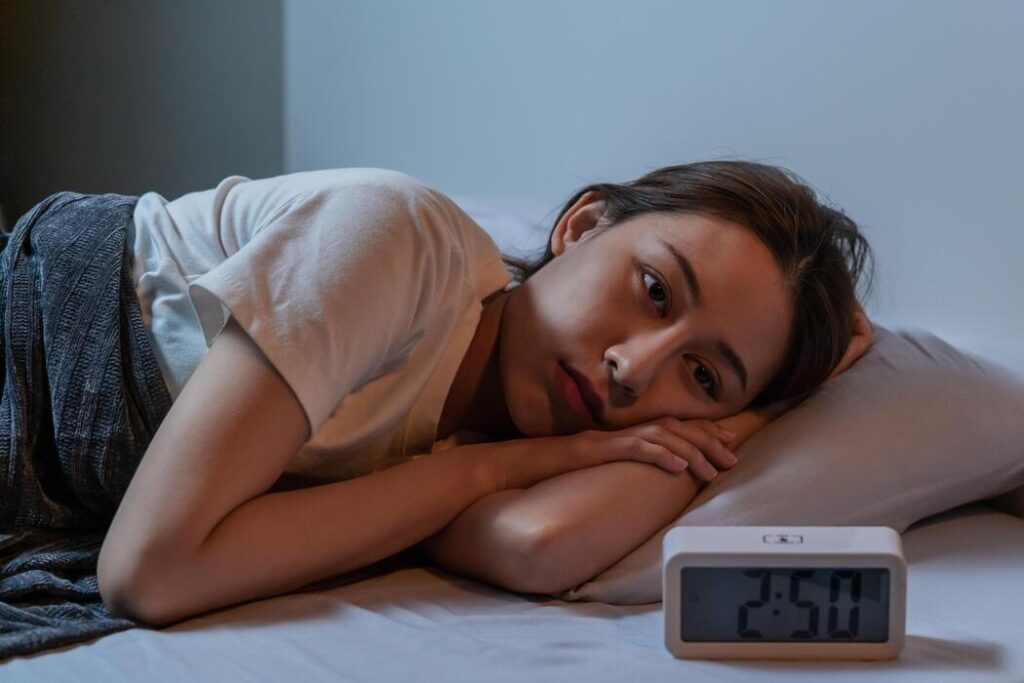
Signs You’re Not Getting Enough Sleep
Introduction
Sleep is one of the most important foundations of good health. Alongside healthy eating, regular exercise, and proper stress management, quality sleep plays a vital role in keeping your body and mind functioning at their best. Yet, many people underestimate the importance of sleep and regularly sacrifice it to meet work demands, study commitments, social activities, or entertainment.
While missing a few hours of sleep occasionally may seem harmless, chronic sleep deprivation can have serious consequences. Lack of sleep affects nearly every aspect of your life, including your physical health, emotional well-being, concentration, productivity, and immune system.
Many people don’t even realize they’re sleep deprived because the symptoms often develop gradually. What may seem like normal tiredness could actually be your body’s way of signaling that it needs more rest.
Understanding the signs you’re not getting enough sleep can help you take action before sleep deprivation begins to affect your health and quality of life.
Why Sleep Is Essential:
Enough Sleep
Sleep is not simply a time when the body shuts down. During sleep, important biological processes take place that help maintain overall health.
While you sleep, your body:
- Repairs muscles and tissues
- Strengthens the immune system
- Regulates hormones
- Processes memories
- Supports brain function
- Restores energy
- Balances mood
Without adequate sleep, these functions become less effective, leading to physical and mental health challenges.
How Much Sleep Do You Need?
Sleep needs vary depending on age and individual circumstances.
General recommendations include:
| Age Group | Recommended Sleep |
|---|---|
| Teenagers | 8–10 Hours |
| Adults | 7–9 Hours |
| Older Adults | 7–8 Hours |
Consistently getting less than the recommended amount may increase the risk of sleep deprivation.
Constant Fatigue Throughout the Day
One of the most obvious signs of insufficient sleep is persistent fatigue.
Even after drinking coffee or energy drinks, you may still feel:
- Tired
- Sluggish
- Unmotivated
- Physically drained
Sleep provides the body with an opportunity to restore energy. Without enough rest, energy levels remain low throughout the day.
If you frequently feel exhausted despite completing routine tasks, poor sleep may be the cause.
Difficulty Concentrating
Sleep plays a crucial role in brain function.
When you don’t get enough sleep, concentration becomes more difficult.
Common symptoms include:
- Trouble focusing
- Difficulty completing tasks
- Reduced attention span
- Frequent distractions
You may notice yourself reading the same paragraph repeatedly or forgetting what you were doing moments earlier.
Sleep deprivation significantly affects mental performance and productivity.
Increased Irritability
Have you ever felt unusually grumpy after a poor night’s sleep?
Lack of sleep can affect emotional regulation and make everyday situations feel more frustrating.
Signs include:
- Short temper
- Mood swings
- Impatience
- Increased frustration
People who are sleep deprived often react more strongly to minor inconveniences than they normally would.
Frequent Forgetfulness
Memory consolidation occurs during sleep.
When sleep is inadequate, the brain struggles to process and store information effectively.
You may experience:
- Forgetting appointments
- Misplacing items
- Trouble remembering conversations
- Difficulty learning new information
Frequent forgetfulness may be a sign that your brain is not receiving the restorative sleep it needs.
Constant Hunger and Food Cravings
Poor sleep can influence hormones that regulate appetite.
Two key hormones affected are:
Ghrelin
Stimulates hunger.
Leptin
Signals fullness.
When sleep is insufficient:
- Ghrelin levels increase
- Leptin levels decrease
This hormonal imbalance can lead to:
- Increased hunger
- Sugar cravings
- Junk food cravings
- Overeating
Many people consume more calories when they are sleep deprived.
Difficulty Waking Up in the Morning
Everyone enjoys sleeping in occasionally, but consistently struggling to get out of bed may indicate sleep deprivation.
Common signs include:
- Multiple alarm snoozes
- Feeling exhausted upon waking
- Needing excessive caffeine
- Difficulty becoming alert
If you never feel refreshed in the morning, your body may not be getting enough quality sleep.
Reduced Productivity
Sleep is directly linked to workplace and academic performance.
Lack of sleep can cause:
- Slower thinking
- Poor decision-making
- Reduced creativity
- Increased mistakes
Tasks that normally take a short amount of time may become more challenging when you’re sleep deprived.
Productivity often improves significantly when sleep habits improve.
Frequent Headaches
Sleep deprivation can contribute to headaches in many individuals.
Possible reasons include:
- Increased stress
- Muscle tension
- Hormonal changes
- Fatigue
If headaches occur frequently, examining your sleep habits may be worthwhile.
Increased Stress Levels
Sleep and stress have a strong relationship.
Poor sleep can increase cortisol, the body’s primary stress hormone.
Symptoms may include:
- Feeling overwhelmed
- Constant worry
- Anxiety
- Difficulty relaxing
At the same time, stress can interfere with sleep, creating a cycle that becomes difficult to break.
Weakened Immune System
Your immune system relies on sleep to function effectively.
People who do not get enough sleep may:
- Catch colds more often
- Experience longer recovery times
- Become sick more frequently
Sleep allows the body to produce proteins and immune cells that help fight infections.
Frequent illness can be a warning sign that your body needs more rest.
Mood Changes and Emotional Instability:
Enough Sleep
Sleep affects how the brain processes emotions.
Insufficient sleep may lead to:
- Sadness
- Anxiety
- Mood swings
- Emotional sensitivity
You may find yourself feeling more emotional than usual or struggling to manage everyday challenges.
Falling Asleep During the Day:
Enough Sleep
Unexpected daytime sleepiness is one of the clearest indicators of sleep deprivation.
Examples include:
- Falling asleep while watching TV
- Nodding off during meetings
- Feeling sleepy while driving
- Struggling to stay awake during classes
These situations suggest that your body is attempting to recover lost sleep.
Poor Physical Performance:
Enough Sleep
Sleep is essential for physical recovery and performance.
Lack of sleep can result in:
- Reduced strength
- Slower reaction times
- Lower endurance
- Increased fatigue during exercise
Athletes and active individuals often notice performance declines when sleep quality suffers.
Increased Reliance on Caffeine:
Enough Sleep
Many people compensate for poor sleep by consuming excessive caffeine.
Signs include:
- Multiple cups of coffee daily
- Dependence on energy drinks
- Afternoon caffeine cravings
While caffeine may temporarily increase alertness, it does not replace the restorative benefits of sleep.
Dark Circles and Tired Appearance:
Enough Sleep
Sleep deprivation often affects physical appearance.
Common signs include:
- Dark circles under the eyes
- Puffy eyes
- Pale skin
- Dull complexion
The body performs important skin-repair processes during sleep.
Poor sleep can make you look as tired as you feel.
Long-Term Effects of Chronic Sleep Deprivation:
Enough Sleep
Occasional sleep loss is common, but chronic sleep deprivation can increase the risk of serious health conditions.
Heart Disease
Insufficient sleep may contribute to:
- High blood pressure
- Heart attacks
-
Stroke
Obesity
Poor sleep can disrupt hunger hormones and encourage overeating.
Type 2 Diabetes
Sleep deprivation may reduce insulin sensitivity and affect blood sugar regulation.
Mental Health Disorders
Long-term sleep problems are associated with:
- Anxiety
- Depression
- Chronic stress
Cognitive Decline:
Enough Sleep
Poor sleep can negatively affect memory, learning, and brain health over time.
Common Causes of Sleep Deprivation
Understanding the causes of poor sleep can help you address the problem.
Stress
Anxiety and worry often interfere with sleep.
Excessive Screen Time
Blue light from electronic devices can disrupt melatonin production.
Irregular Sleep Schedule
Going to bed and waking up at different times can confuse the body’s internal clock.
Caffeine Consumption
Coffee, tea, and energy drinks consumed late in the day may interfere with sleep.
Poor Sleep Environment
Noise, light, and uncomfortable temperatures can reduce sleep quality.
How to Improve Your Sleep
If you recognize several signs of sleep deprivation, improving your sleep habits may help.
Maintain a Consistent Schedule
Go to bed and wake up at the same time every day.
Create a Relaxing Bedtime Routine
Activities such as reading, meditation, or gentle stretching can promote better sleep.
Reduce Screen Time Before Bed
Avoid phones, tablets, and computers at least one hour before bedtime.
Exercise Regularly
Physical activity supports healthier sleep patterns.
Limit Caffeine
Reduce caffeine intake, especially during the afternoon and evening.
Optimize Your Sleep Environment
Keep your bedroom:
- Dark
- Quiet
- Cool
- Comfortable
These simple adjustments can significantly improve sleep quality.
Building Healthy Sleep Habits
Creating healthy sleep habits takes consistency.
Start by:
- Setting a regular bedtime.
- Limiting screen use before bed.
- Creating a relaxing nighttime routine.
- Exercising regularly.
- Prioritizing sleep as part of your wellness plan.
Small improvements often lead to substantial benefits over time.
Conclusion
The signs you’re not getting enough sleep are often easy to overlook, but they can have a major impact on your health and well-being. Persistent fatigue, poor concentration, irritability, food cravings, weakened immunity, and reduced productivity are all common indicators that your body may need more rest.
Sleep is not a luxury—it’s a necessity. Quality sleep supports physical recovery, mental clarity, emotional balance, immune function, and overall wellness. Ignoring the warning signs of sleep deprivation can increase the risk of serious health conditions and reduce your quality of life.
By recognizing these symptoms and making sleep a priority, you can improve your energy levels, mood, productivity, and long-term health. Remember, one of the most effective ways to care for your body and mind is simply to get the restful sleep you deserve.