
Welder Jobs in Australia 2026 – Requirements, Pay & How to Apply
Welder Jobs in Australia 2026. Welding is an important skill across many industries in Australia, including construction, manufacturing, engineering, mining, and metal fabrication. As businesses work with steel and other metals, skilled welders can find opportunities in different types of workplaces. For people with practical skills and an interest in working with metal, welding can be a rewarding career path.
What Does a Welder Do?
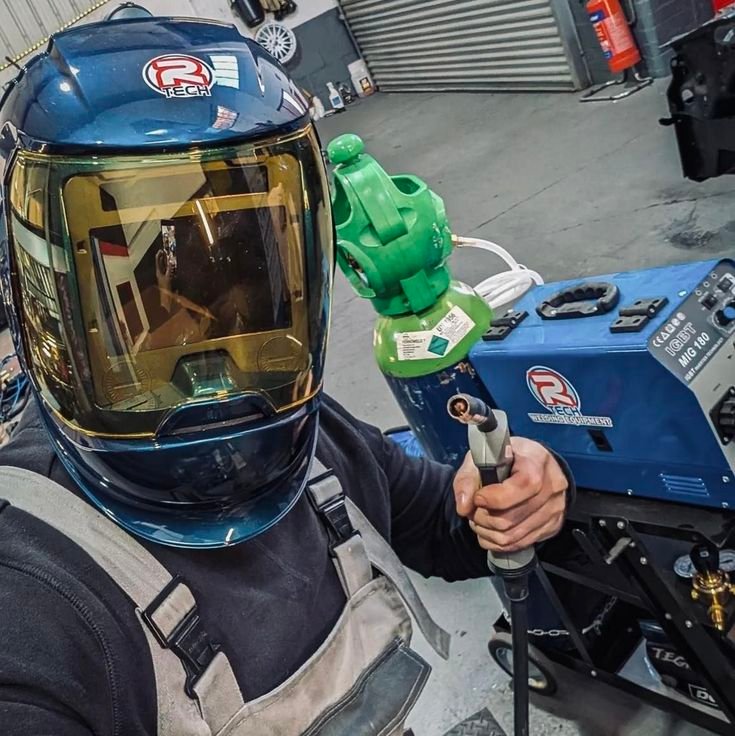
A welder joins metal parts using different welding techniques and equipment. The exact work depends on the industry and the project. Some welders work on structural steel, machinery, pipes, vehicles, or fabricated metal products.
Typical duties can include reading drawings or work instructions, preparing metal surfaces, measuring and positioning components, operating welding equipment, and checking finished welds. Welders may also cut, grind, clean, and shape metal before or after welding.
Safety is an important part of the job. Welders need to use appropriate protective equipment and follow workplace procedures when working with heat, sparks, machinery, and metal materials.
Requirements for Welder Jobs
Requirements vary between employers and welding positions. Many employers look for candidates with relevant welding training, practical experience, and an understanding of workplace safety.
Depending on the position, employers may ask for experience with particular welding processes, the ability to read technical drawings, or relevant Australian qualifications and certifications. Some jobs may also require industry-specific tickets or licenses.
Workers coming from overseas should check whether their qualifications and experience are recognized in Australia and understand the visa and work-right requirements that apply to their situation.
Pay and Working Hours
Welder pay in Australia can vary based on experience, qualifications, location, industry, job responsibilities, and employment arrangements. Specialized welding skills may be required for some higher-responsibility positions.
Working hours also depend on the employer. Some welders work standard full-time schedules, while manufacturing, construction, mining, and industrial projects may involve shifts, overtime, or different rosters.
Before accepting a position, applicants should carefully review the employment agreement, including wages, working hours, overtime, workplace location, and other conditions.
How to Find Welder Jobs in Australia
Job seekers can search Australian employment websites, company career pages, recruitment agencies, and industry-specific job boards. Useful search terms include “welder jobs Australia,” “welding jobs Australia,” “metal fabricator welder jobs,” and “fabrication welder jobs Australia.”
A strong CV should clearly list welding experience, qualifications, welding processes you can perform, industries you have worked in, and any relevant safety training. Practical experience can be especially useful when applying for skilled welding positions.
Final Thoughts
Welder jobs can offer opportunities across Australia’s construction, manufacturing, engineering, and industrial sectors. The work requires technical skills, attention to detail, and a strong commitment to workplace safety. If you are planning to apply, research the employer carefully and make sure you meet the qualification, licensing, and work eligibility requirements for the position.